

Interior Design for Homes: India's Expert Interior Designer
Interior Design for Homes:
Residences That Express Your Individuality
Creating a space where comfort and style coexist is the main goal of residential interior design. Every home tells a story, and designers ensure your story is expressed through your space.
Living Spaces: Layouts that promote mobility and social interaction are selected by designers. Open-plan living rooms, for example, accommodate contemporary furniture while giving the impression of space.
Bedrooms: The bedroom ought to be a calm haven. Expert designers choose soothing color schemes, comfortable beds, and relaxing lighting to encourage rest.
Kitchens: High-quality materials, effective layouts, and optimal storage make modular kitchens more aesthetically pleasing and functional.
Luxury Touch: Expensive furniture, smart home technology, eye-catching décor, and custom elements that add comfort and elegance are all ways that luxury home interiors enhance the experience.
A Room-by-Room Guide to Interior Design for Homes
Every home is different, but the questions that shape good interior design for homes are surprisingly consistent. Here is how we think about each part of a house, whether it is a compact city apartment or a large family villa.
Entrance and foyer
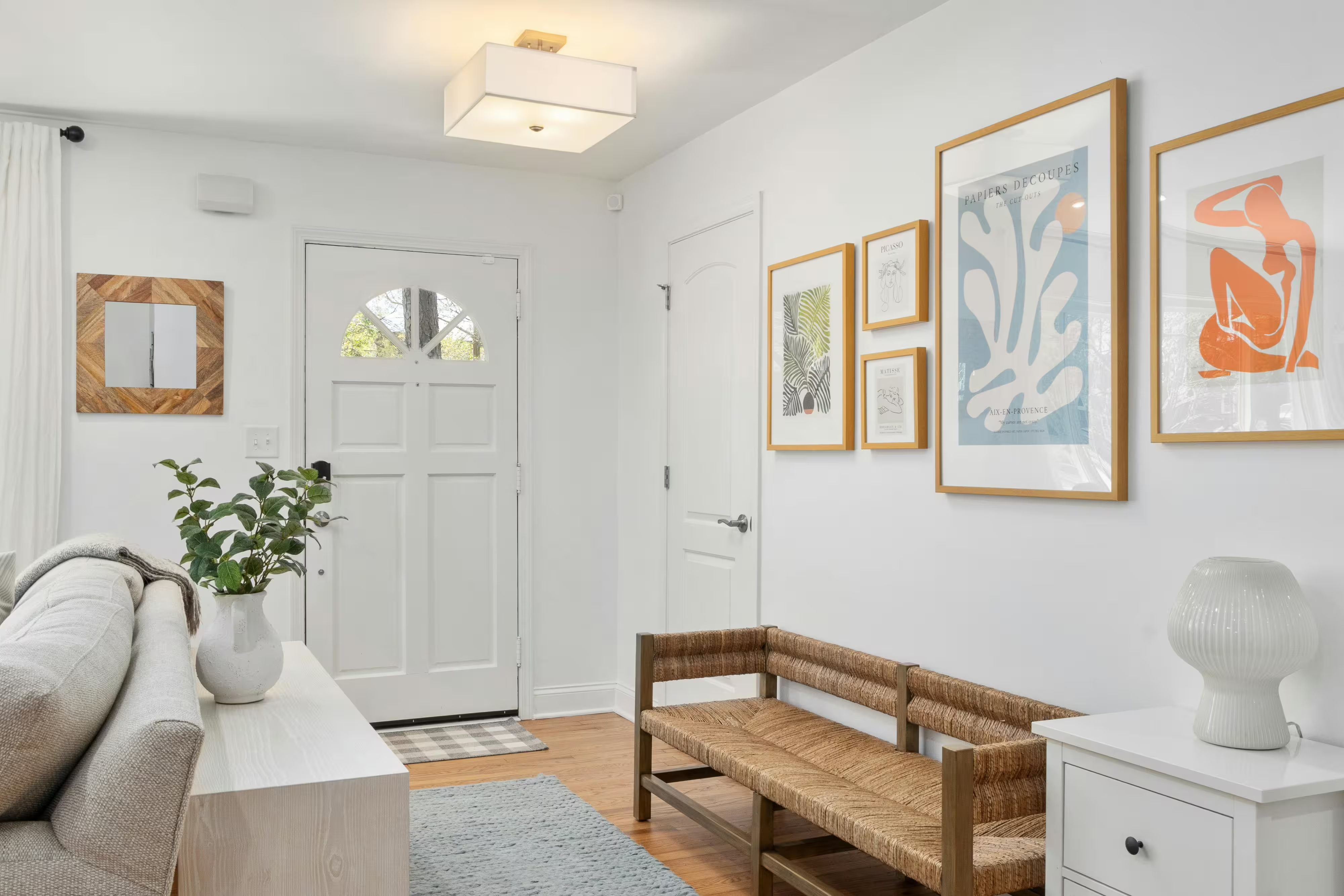
The entrance is the first impression and the last thing you see when leaving. Even a small foyer needs space for shoes, keys and bags. A console, a mirror and good lighting make it welcoming, while concealed storage keeps clutter out of sight.
Living room
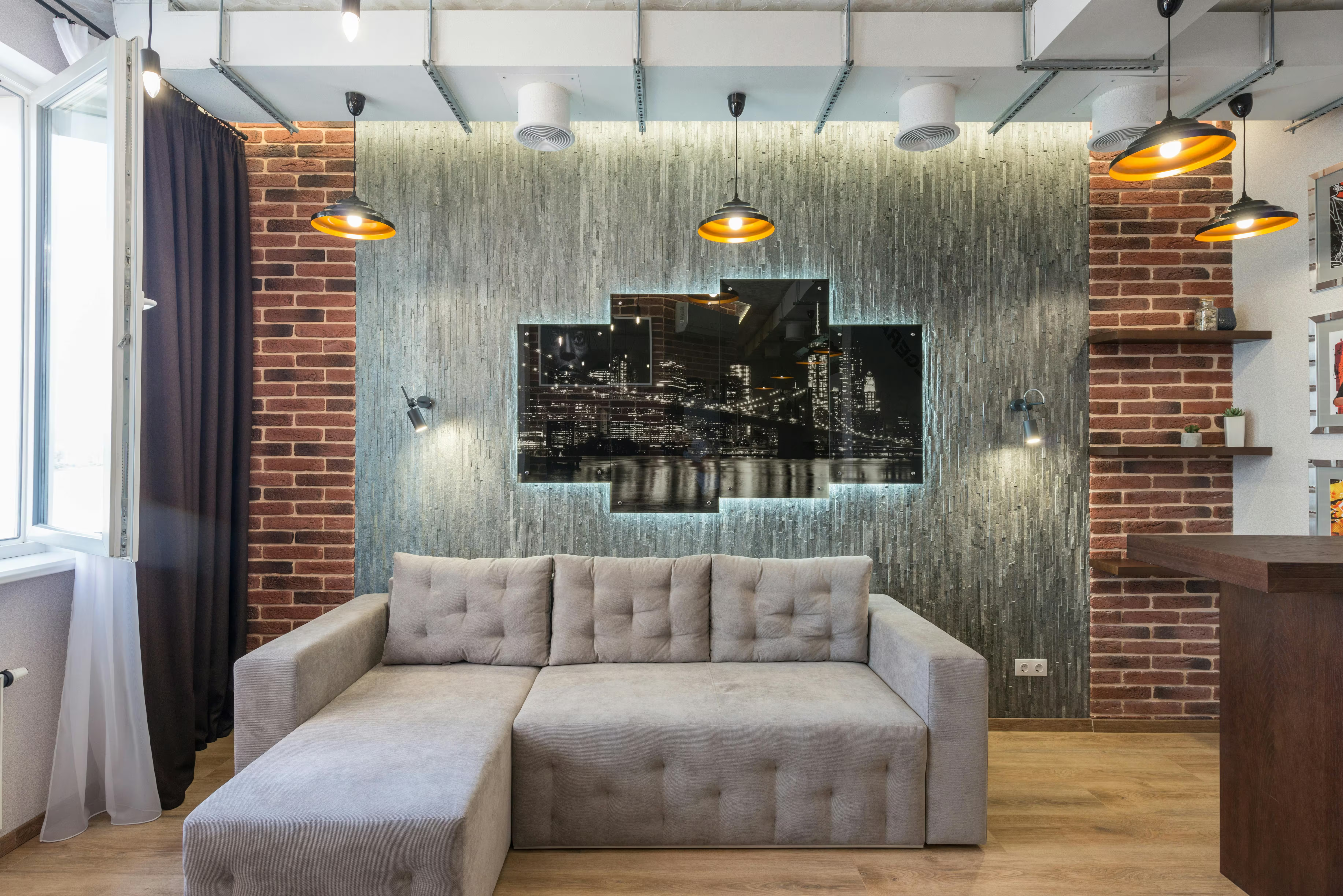
The living room is where the family gathers and guests are received. Plan seating for conversation first and the television second, keep walking routes clear, and use rugs and lighting to define zones in open-plan spaces. A feature wall in texture, stone or art gives the room a focal point.
Dining area
Size the table for everyday use, with extra seating that can be added for gatherings. A pendant light centred over the table anchors the space and makes meals feel like an occasion, and a crockery unit or sideboard keeps serving items close at hand.
Kitchen
Good interior design for homes always gives the kitchen extra attention. Plan the cooking, washing and storage zones so they flow naturally, choose counters and shutters that handle heat and spice, and include tall units, corner solutions and pull-outs to use every inch.
Bedrooms
Bedrooms should feel calm. Soft palettes, layered lighting with bedside switches and well-planned wardrobes make a big difference. In children's rooms, choose durable finishes and furniture that can adapt as they grow.
Bathrooms
Anti-skid flooring, good ventilation, proper drainage slopes and enough storage for daily essentials matter more than any single fixture. Glass partitions and wall-hung units make small bathrooms feel larger.
Home office or study
With more people working from home, a quiet corner with good light, power points and storage has become essential. It can be part of a guest room, a nook under the stairs or a niche in the living area, as long as it is away from the television.
Principles That Apply to Every Room
- Plan before you buy: layouts first, furniture and décor second.
- Light in layers: combine ambient, task and accent lighting.
- Keep a common thread: a consistent palette makes the home feel connected.
- Choose durable materials: finishes should suit daily life, not only photographs.
- Respect your routine: design for how you live, not how a magazine home looks.
Choosing a Style for Your Home
Style should follow the way you live. Families who love calm, uncluttered spaces often lean towards modern or Scandinavian interiors. Those who enjoy colour, collected objects and craft may prefer an eclectic or Indian contemporary look. Traditional interiors suit homes with heirloom furniture, while rustic and farmhouse styles bring warmth with wood and stone. The best interior design for homes often blends two styles, for example modern planning with traditional textiles, so the home feels personal rather than copied from a catalogue.
Planning Your Budget Across Rooms
It helps to decide early where your budget will make the biggest difference. Kitchens and wardrobes are used every day and benefit from quality hardware and durable finishes. Living rooms are where statement pieces and lighting have the most impact. Bathrooms need reliable fittings and waterproofing more than decorative extras. Spreading the budget thoughtfully across rooms is a key part of interior design for homes, and it avoids the common problem of a spectacular living room next to a disappointing kitchen.
Planning for Family Life
Homes with young children need rounded edges, washable finishes and storage at low heights. Homes with elderly parents need good lighting, grab bars and step-free routes. Planning for these needs early is far easier than adapting later, and it makes interior design for homes genuinely practical. Pets bring their own needs too, such as scratch-resistant upholstery and flooring that is easy to clean.
Bringing It Together
Interior design for homes works best when one team plans every room together, so the kitchen, bedrooms and living areas feel like parts of the same home. At 9th Corner, our 22 years of experience and more than 800 completed spaces have shaped a process that covers brief, 3D visualisation, drawings, materials and supervised execution. Pricing is transparent, timelines are fixed and our work is backed by a 10-year warranty.
Explore our residential interior design service, see luxury home interior design for high-end projects, or book a free consultation to discuss interior design for homes like yours.