

Why India Is a Center for Excellent Interior Design
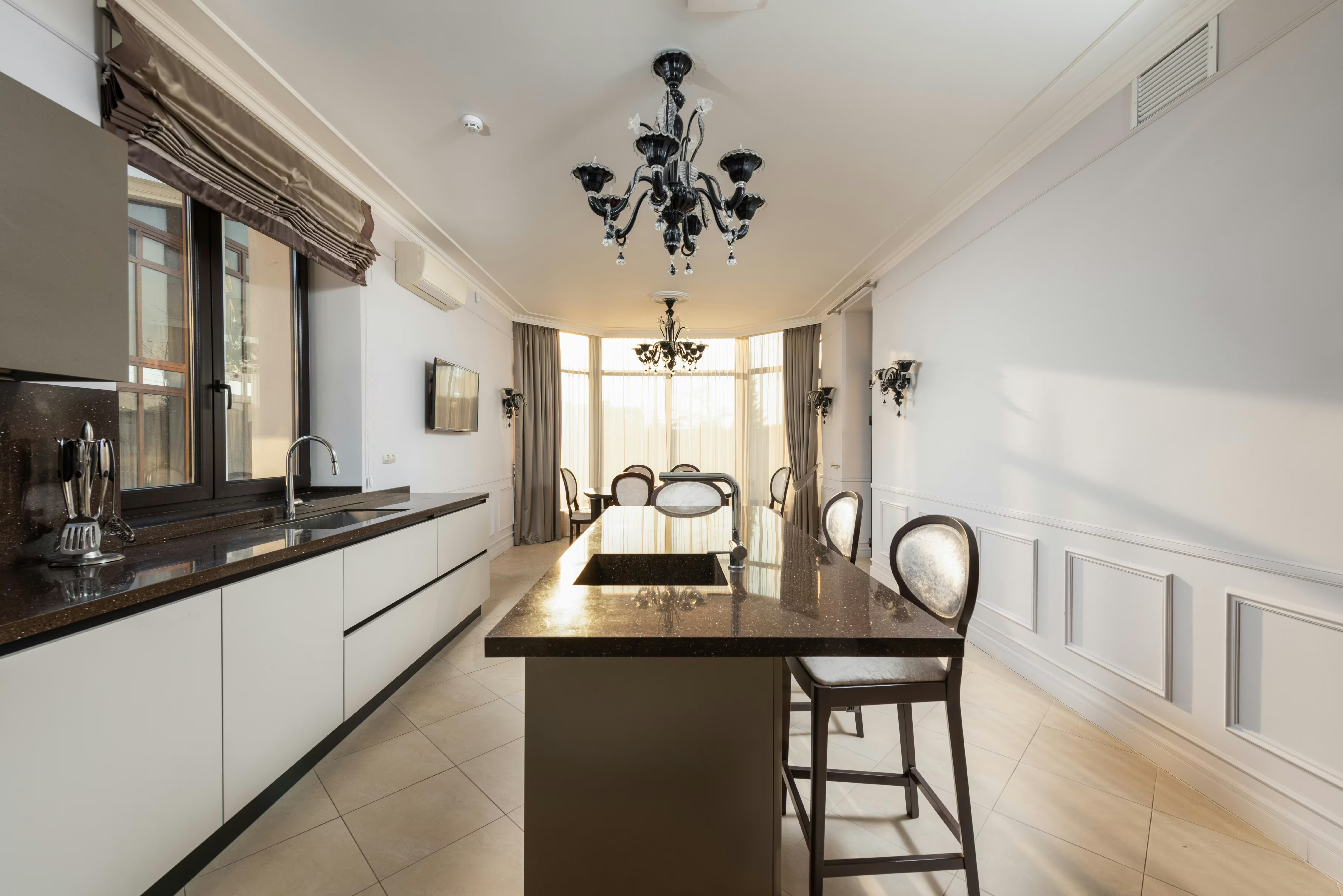
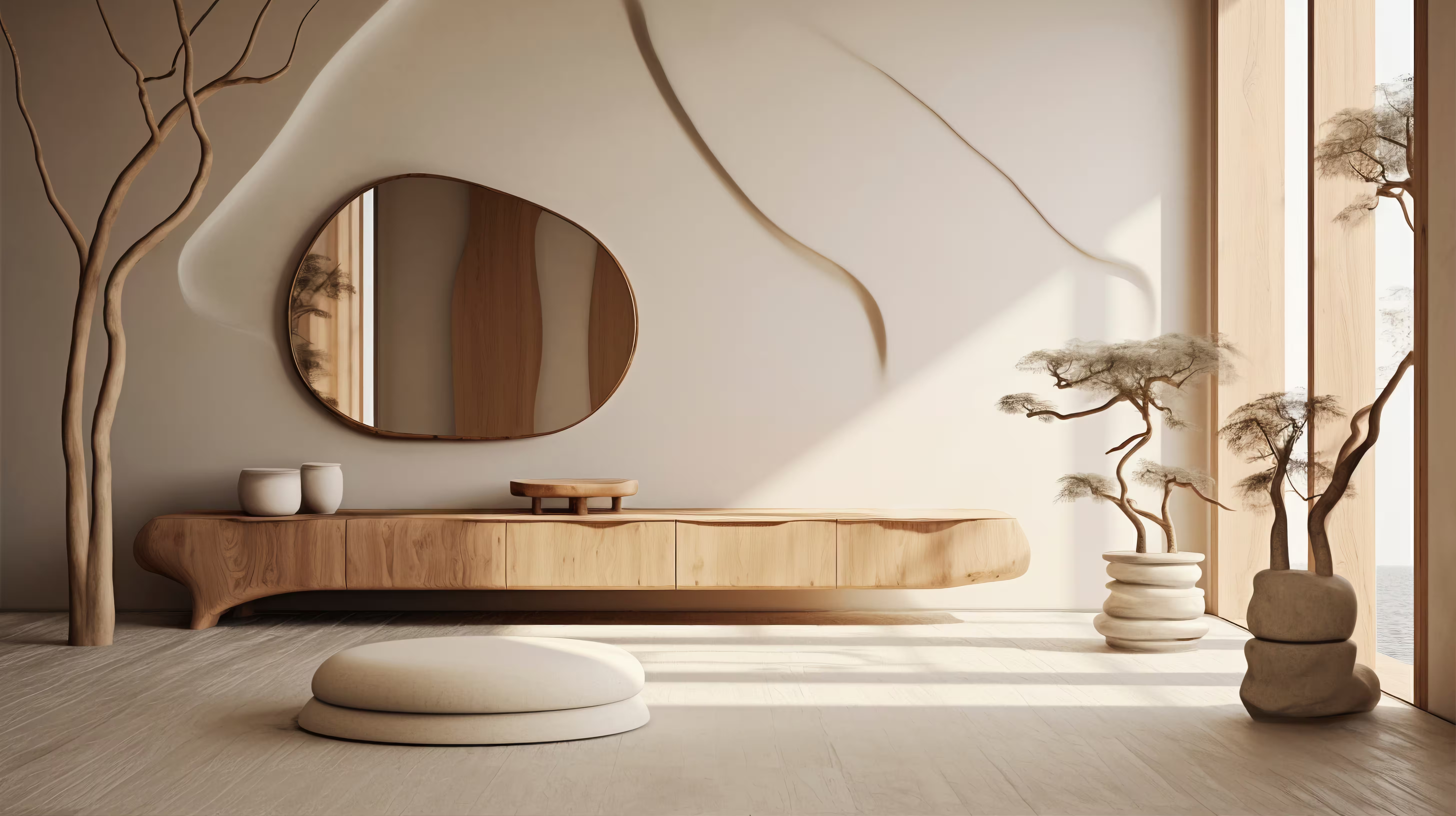
Why India Is a Center for Excellent
Interior Design
Some of India's leading interior design companies are based in Delhi. The city's designers contribute:
Global Trends: Creative concepts influenced by fashions around the world.
Exact Execution: Careful attention to detail guarantees that each component is carried out flawlessly.
Versatility: Knowledge of luxury, business, corporate, and residential settings.
Selecting the top interior designers in Delhi ensures expert planning, originality, and faultless execution that makes visions come true.
A Long Tradition of Craft
Interior design in India draws on one of the richest craft traditions in the world. Carved wooden doors, jaali screens, inlaid stone, hand-painted tiles, block-printed textiles and brass work have decorated Indian homes, palaces and temples for centuries. Today, designers combine these crafts with contemporary planning to create interiors that feel both modern and rooted.
Materials Close at Hand
India produces a remarkable range of materials. Marble and granite, sandstone, terracotta, cane, bamboo, solid hardwoods and natural fabrics are all available locally. That variety gives interior design in India a distinctive palette and allows designers to choose materials that suit both the climate and the budget.
Skilled Artisans
Behind every fine interior are the people who build it: carpenters, stone masons, polishers, upholsterers and metal workers. India's depth of artisanal skill means custom furniture, bespoke joinery and handcrafted details are achievable in projects of every size, not only in the most expensive homes.
A Fast-Growing, Demanding Market
Rapid urban growth has created a large market for apartments, villas, offices, retail spaces and hospitality projects. Clients are well travelled and well informed, and they expect international standards of design and finish. This demand has pushed interior design in India to mature quickly, with greater emphasis on planning, 3D visualisation, project management and accountability.
Blending Global Trends With Local Life
Indian designers absorb global movements such as minimalism, Japandi, mid-century modern and industrial design, then adapt them to local realities. Kitchens must cope with Indian cooking. Homes must accommodate extended families and festivals, and plans often respect Vastu principles. This blend of global influence and local practicality is what makes interior design in India so distinctive, and it is why a trend that works in Milan or Tokyo usually needs careful adaptation before it suits an Indian family.
Regional Influences
India is not one design culture but many. Rajasthan contributes sandstone, marble inlay, mirror work and courtyard planning. Gujarat offers intricate woodwork and vibrant textiles. Kerala is known for sloping roofs, teak and the calm of its traditional homes, while the hill states bring warm timber interiors suited to cooler climates. Contemporary interior design in India often borrows from several of these traditions at once, giving each project a unique character.
A Growing Focus on Sustainability
Traditional Indian homes were naturally sustainable, with thick walls, shaded verandas, courtyards and cross-ventilation that kept interiors cool. Many designers are returning to these ideas, combined with modern solutions such as efficient LED lighting, low-VOC paints and locally sourced materials. Sustainable interior design in India reduces energy use and often creates healthier, more comfortable homes.
Design Education and Professional Standards
The profession has also grown more structured. Designers now routinely use detailed drawings, 3D visualisation and project management tools, and clients increasingly expect written scopes, milestone-based pricing and warranties. These standards have made interior design in India more reliable for homeowners and businesses alike.
Why Delhi Stands Out
Delhi and the wider NCR, including Gurgaon and Noida, are home to many of the country's leading design firms. The region's mix of heritage and modern development, its large residential and commercial market, and its access to materials and craftsmen from across North India make it a natural centre for design talent. Designers here work across everything from compact flats to sprawling farmhouses and corporate campuses. The sheer variety of projects in the region gives local teams broad, practical experience, and clients benefit from a deep network of suppliers, workshops and specialist craftsmen within easy reach.
Technology Meets Tradition
Modern Indian interiors increasingly include smart lighting, automated curtains, video door phones and home theatres, all hidden within carefully detailed joinery. At the same time, clients still ask for pooja rooms, traditional brass lamps and handcrafted doors. The challenge, and the opportunity, is to bring these together so that technology serves daily life without overwhelming the warmth that makes a home feel Indian. Designers who manage this balance well are shaping the next chapter of interior design in India.
What This Means for You
- Choice: a wide range of styles, materials and budgets to choose from.
- Customisation: skilled artisans make bespoke furniture and details realistic.
- Value: local materials and craftsmanship can deliver premium results within sensible budgets.
- Expertise: experienced firms that understand both global standards and Indian living.
Interior Design in India With 9th Corner
9th Corner has been part of this story for 22 years, delivering more than 800 spaces across homes, offices, salons and showrooms. From our head office in Pitampura, Delhi, and our branch in Gurgaon, we bring together careful planning, photorealistic 3D visualisation and skilled execution, backed by a 10-year warranty and fixed timelines. For us, the best interior design in India balances craft, comfort and clear planning.
Explore our interior design services, read about our approach as a design firm, or browse our projects to see interior design in India done with care.